
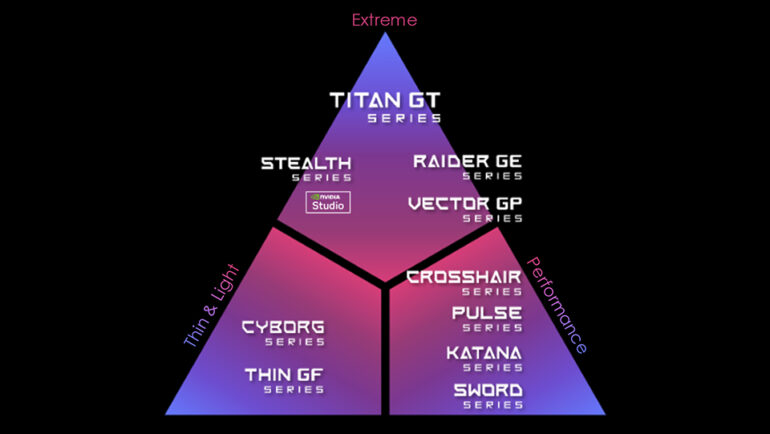
The Crosshair series is the highest tier in MSI’s performance category line. It’s in parallel with the Cyborg series in terms of price, but the Crosshair gets you more in terms of specs since its highlight is performance rather than the Thin & light form factor aspect of the Cyborg. The Crosshair lineup has a 16” and 17” variant, and in other markets, a whopping 18-inch variant with Intel and AMD options. Today, we have the MSI Crosshair 16 HX AI D2XWGKG fresh from Computex 2025.
MSI Crosshair 16 HX AI D2XWGKG Specs and Price
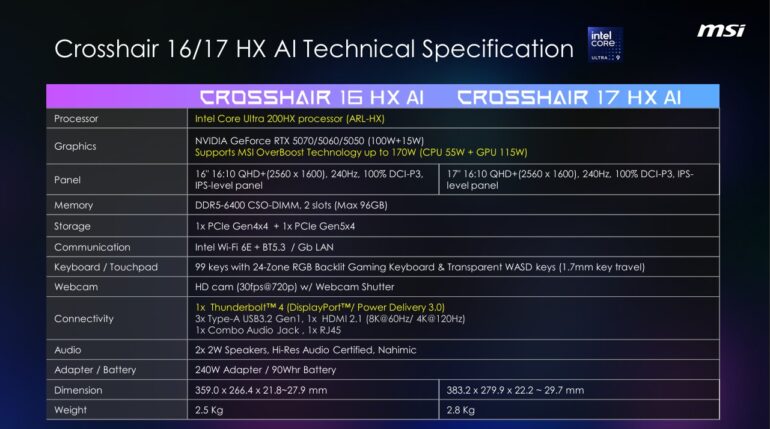
Our specific test sample is the MSI Crosshair 16 HX AI D2XWGKG with the Intel Core Ultra 9 275HX, 16GB DDR5-5600 memory. 1TB NVMe SSD, and an RTX 5070 Laptop GPU.
MSI Crosshair 16 HX AI D2XWGKG – A Closer Look
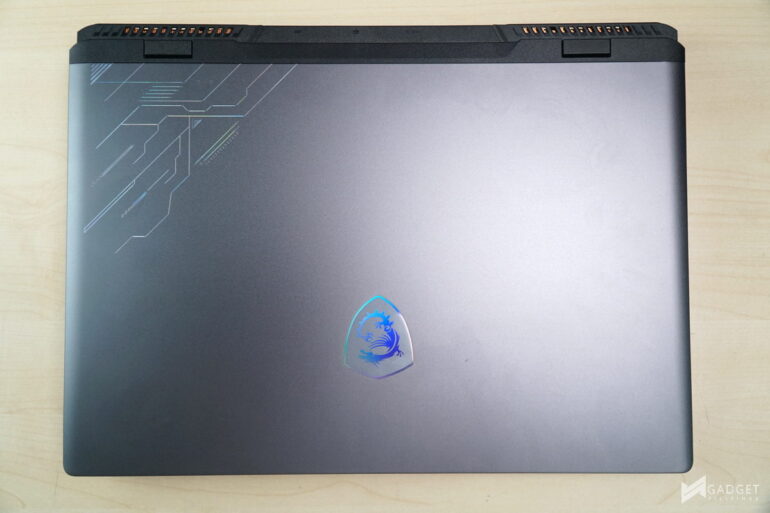
The Crosshair 16 HX AI design hasn’t changed since the last generation. It has the same chroma-reflected MSI badge with a small tech circuit line on the bottom right corner.
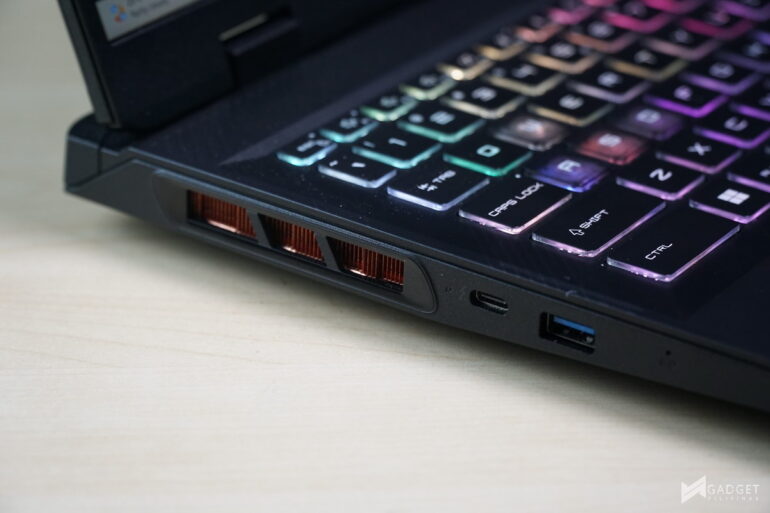
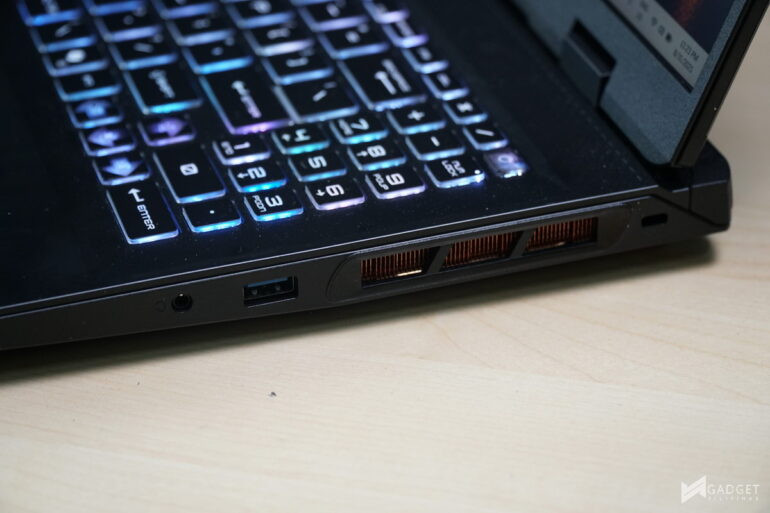
Ports are scattered on all three sides of the device to make room for the redesigned Cooler Boost 5 cooling system, now with two fans that have 26% increased fan blades for optimal airflow across 5 copper heatpipes. On the left side you have a USB 3.2 Gen1 Type A port and a Thunderbolt 4 port with support for DisplayPort and 100W PD charging. The right has another USB 3.2 Gen1 Type A port and an audio combo jack.
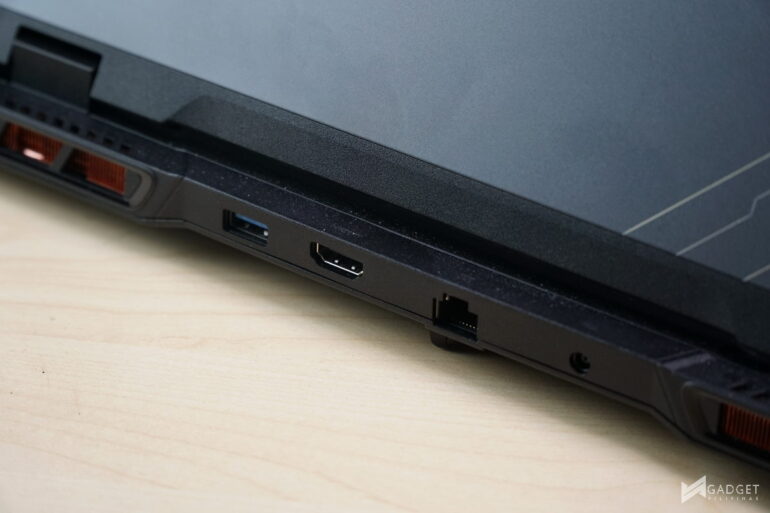
The rear houses an additional USB 3.2 Gen1 Type-A port, one HDMI 2.1 port, an RJ45 port, and DC-in. So far, the Crosshair 16 HX AI boasts an above-average port configuration where MSI has not only provided a generous amount of ports but also in bandwidth.
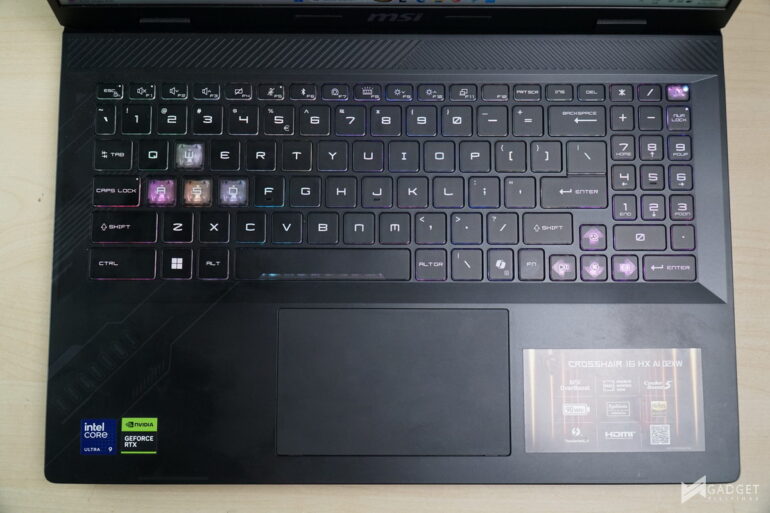
You have a full-sized keyboard on the MSI Crosshair 16 HX AI. I very much commend MSI for being able to integrate full-sized arrow keys, unlike the typical laptop setup, where you have either half-sized left and right keys or half-sized arrow keys in general.
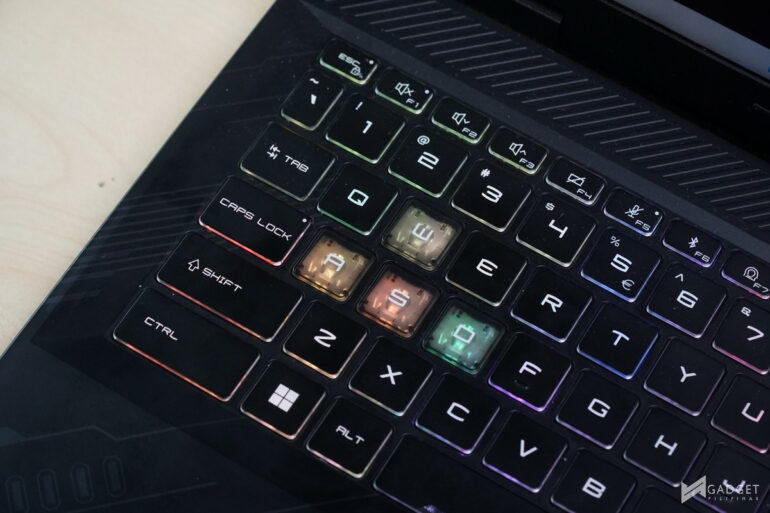
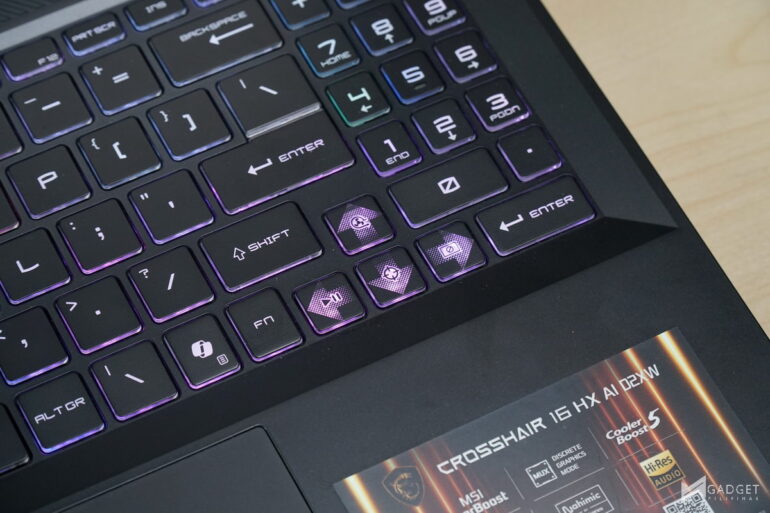
That said, the implementation of the full-sized arrow keys results in a slightly weird keyboard layout where you only have one control key and a seemingly large numpad enter key.
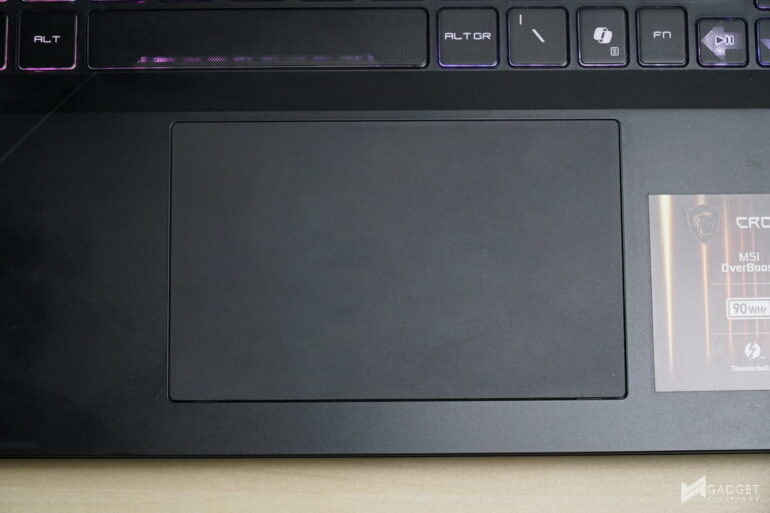
MSI placed a large trackpad on the Crosshair 16 HX AI but it’s not among the largest ones we’ve seen among gaming laptops
MSI Crosshair 16 HX AI D2XWGKG Display and Camera

The Crosshair 16 HX AI has a 16-inch 16:10 2560x1600p 240Hz IPS display.
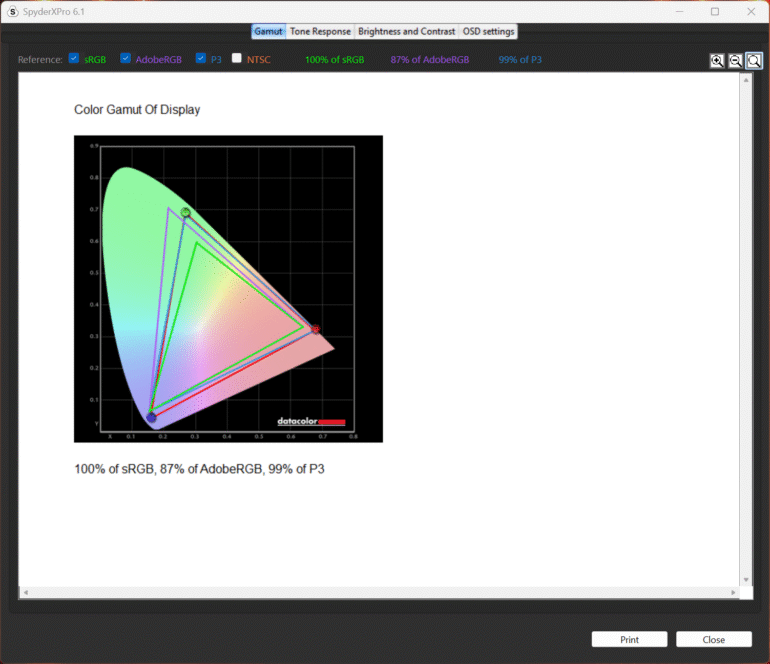
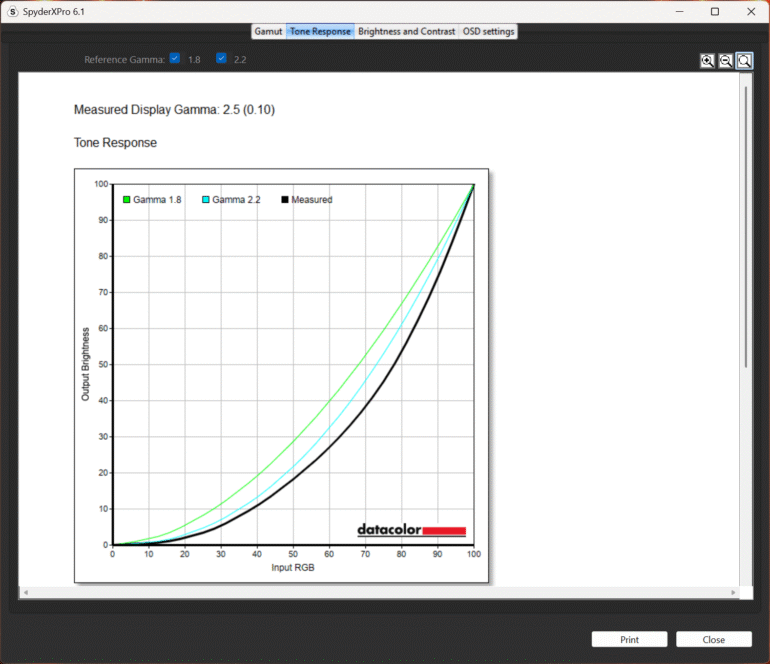
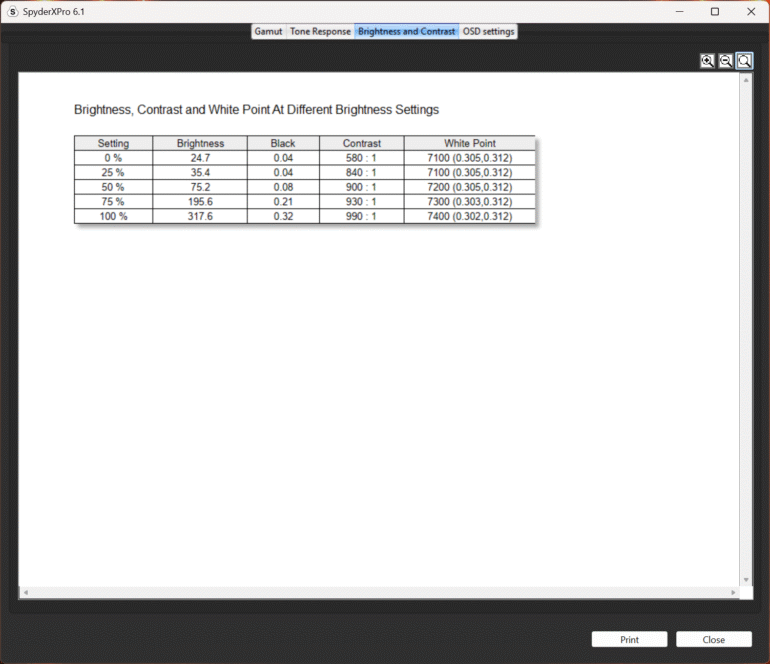
MSI boasts a 100% DCI-P3 rating on the panel, and we’re able to confirm it with our SpyderX Pro Coloromiter. The 100% sRGB, 87% AdobeRGB, and 100% DCI-P3 color gamut make the Crosshair 16 HX AI not only a gaming laptop but also an ideal laptop for productivity, especially heavy color correcting.
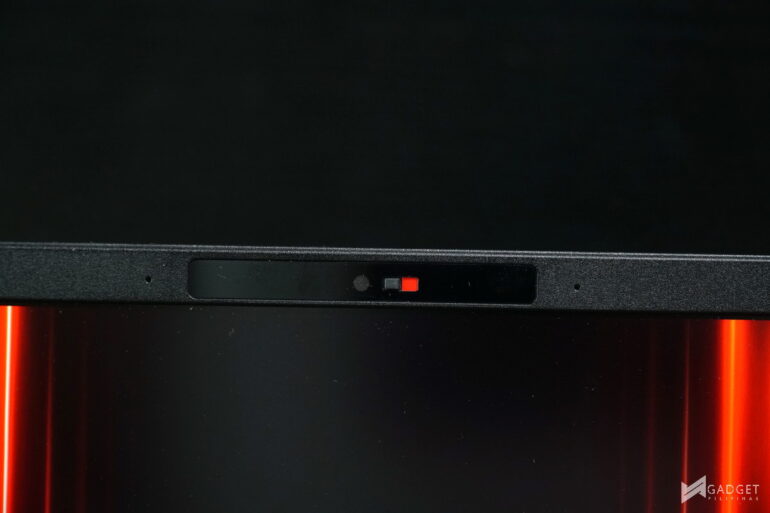
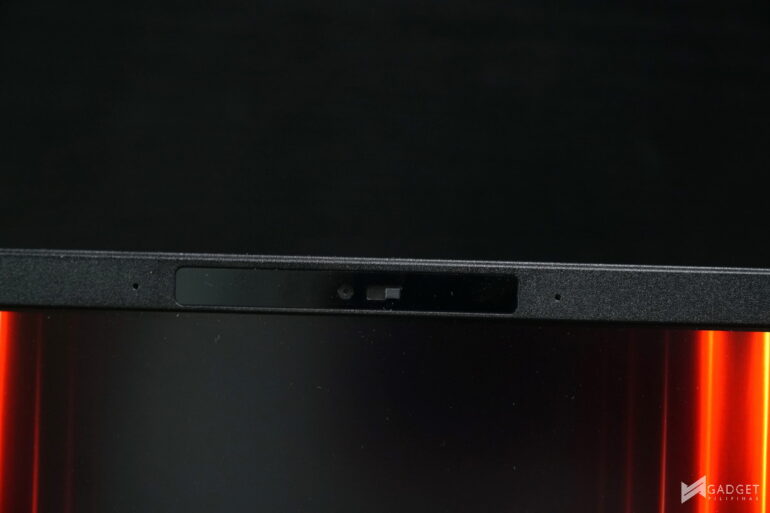
Despite being a gaming laptop, MSI has implemented a physical privacy shutter on its 1080p webcam – a nice addition considering this is not a common feature found even on productivity laptops.
The camera quality is about as good the webcam found on the ASUS Zenbook A14 that we recently reviewed.
Benchmark Setup and Test Methodology
Gadget Pilipinas’ testing philosophy is to provide detail-oriented results as accurately as possible so that our readers can replicate our tests, given that these conditions are met. Different benchmarking apps and sequences are used depending on the tested component or device.
We use CapFrameX 1.7.2 Beta as our primary FPS capture and analysis tool for all our gaming benchmarks. The latest build version of Windows 11 Pro and WHQL-certified drivers are used for our benchmarks. Readings such as temperatures and power draws are recorded using HWINFO64, and OCCT Enterprise.
We benchmarked the MSI Crosshair 16 HX AI D2XWGKG together with its different power settings found in the MSI Center Software – Balanced, Extreme Performance, and MSI AI Engine. The main purpose of benchmarking power profiles is to show how aggressive or conservative the manufacturer is in terms of thermal management. These profiles will affect the CPU and GPUs’ boosting behavior in terms of duration and max clock speed, which will translate to higher scores and stable frame rates.
As part of our 2024 laptop benchmark methodology revamp, we’ve changed how these profiles are tested. Synthetic and Productivity benchmarks include all of the power profiles. We decided to drop the silent or power-saving profile for gaming benchmarks as these lowest profiles generally produce unplayable frame rates, especially at 1440p and above resolutions. Moreover, games are tested at the laptop’s native resolution(in the Crosshair 16 HX AI’s case, 1600p) as we expect most, if not, all, gamers to game on the laptop’s native resolution.
For more information, read our Benchmark Methodology article.
MSI Crosshair 16 HX AI D2XWGKG Synthetic and Productivity Benchmarks
OCCT Benchmark
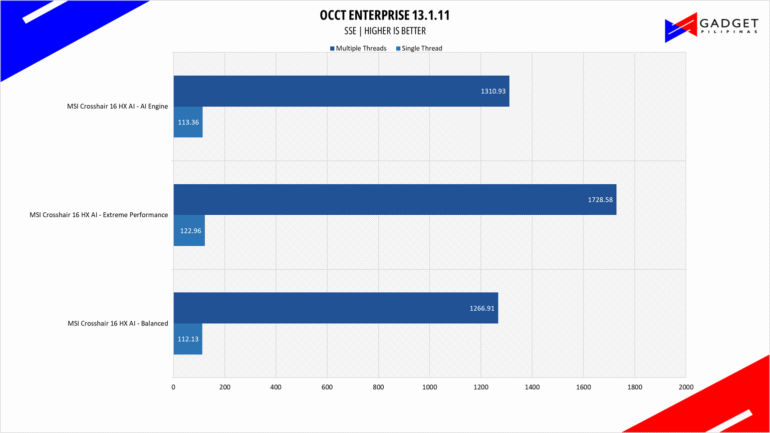
OCCT is a popular benchmark and stability testing tool among overclockers, enthusiasts and system integrators
CINEBENCH 2024
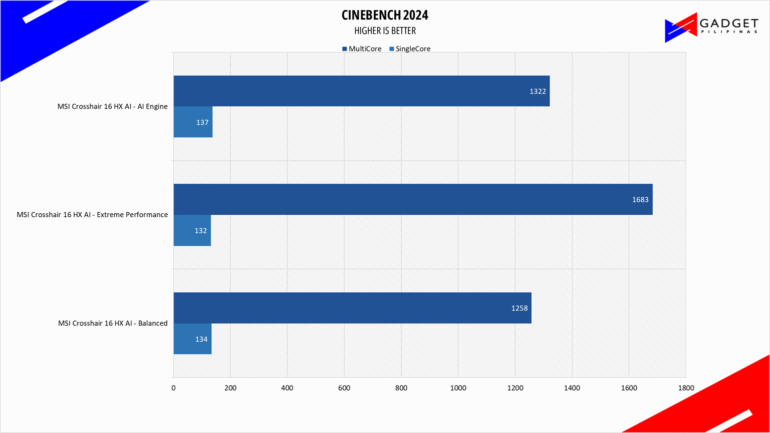
Maxon’s Cinebench benchmark is one of the most iconic benchmark applications used by reviewers and enthusiasts. The latest Cinebench 2024 uses the latest rendering architectures, including Intel’s Embree ray tracing technology and other advanced features from AMD and Intel that allow users to render the same scene on the same hard.
PCMark10
From the same developers of the popular game benchmarking tool 3DMark, PCMark 10 is a benchmarking app for measuring a whole PC’s performance. It covers a wide variety of tests to reflect common tasks performed in a modern workplace. We selected PCMark 10’s extended benchmark and reported both the overall score and Digital Content Creation Score.
V-RAY 6
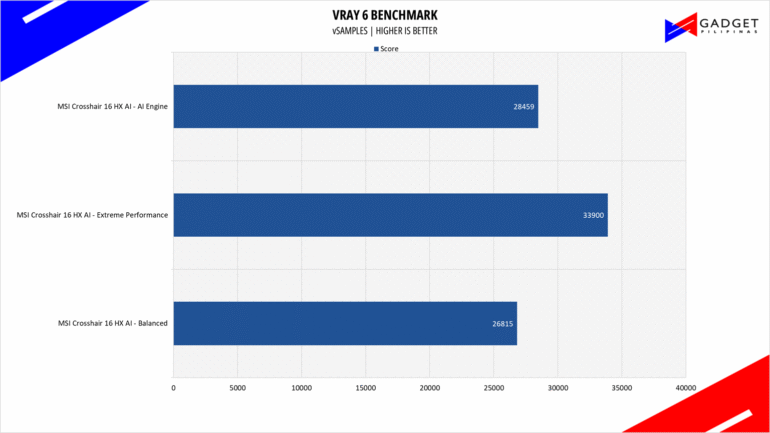
V-Ray Benchmark is a stand-alone version of V-Ray developed by Chaos Group. It is designed to test the CPU and GPU by rendering sample scenes at a fixed amount of time. V-Ray is a plug-in mostly utilized by 3D computer graphics software applications mainly for industrial design, product design, architecture, film, and video game production. V-Ray is not limited to 64-threads as it supports multi and mega-threading.
SuperPI 32M
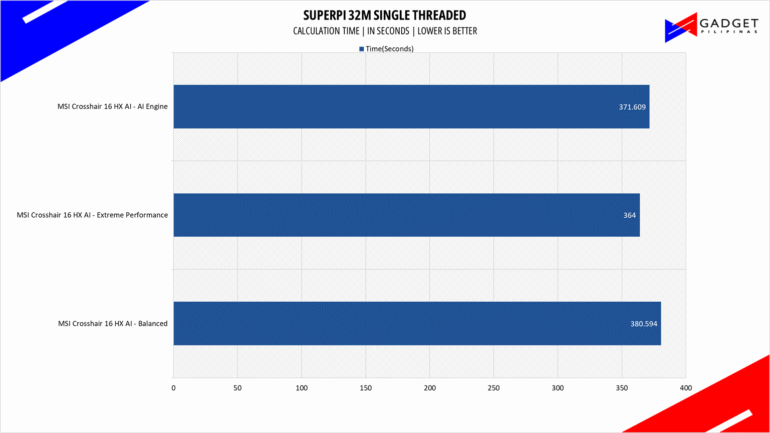
SuperPI is a single-threaded benchmark application that lets the CPU calculate Pi(π) to the nth digit. In this benchmark, we selected the Pi calculation to 32M, the highest available for the app.
wPrime 1024M
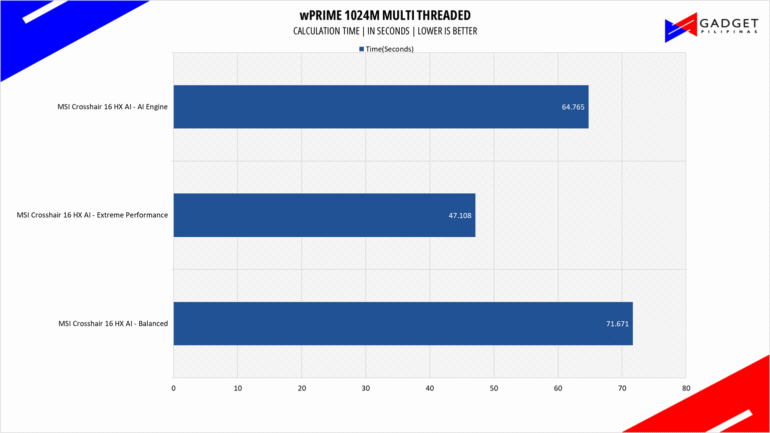
wPrime is a benchmark tool similar to SuperPI, but the former takes on finding prime numbers using Newton’s Method. The benchmark is set to calculate 1024 million prime numbers, and the performance is measured according to calculation time.
GeekBench 6.4
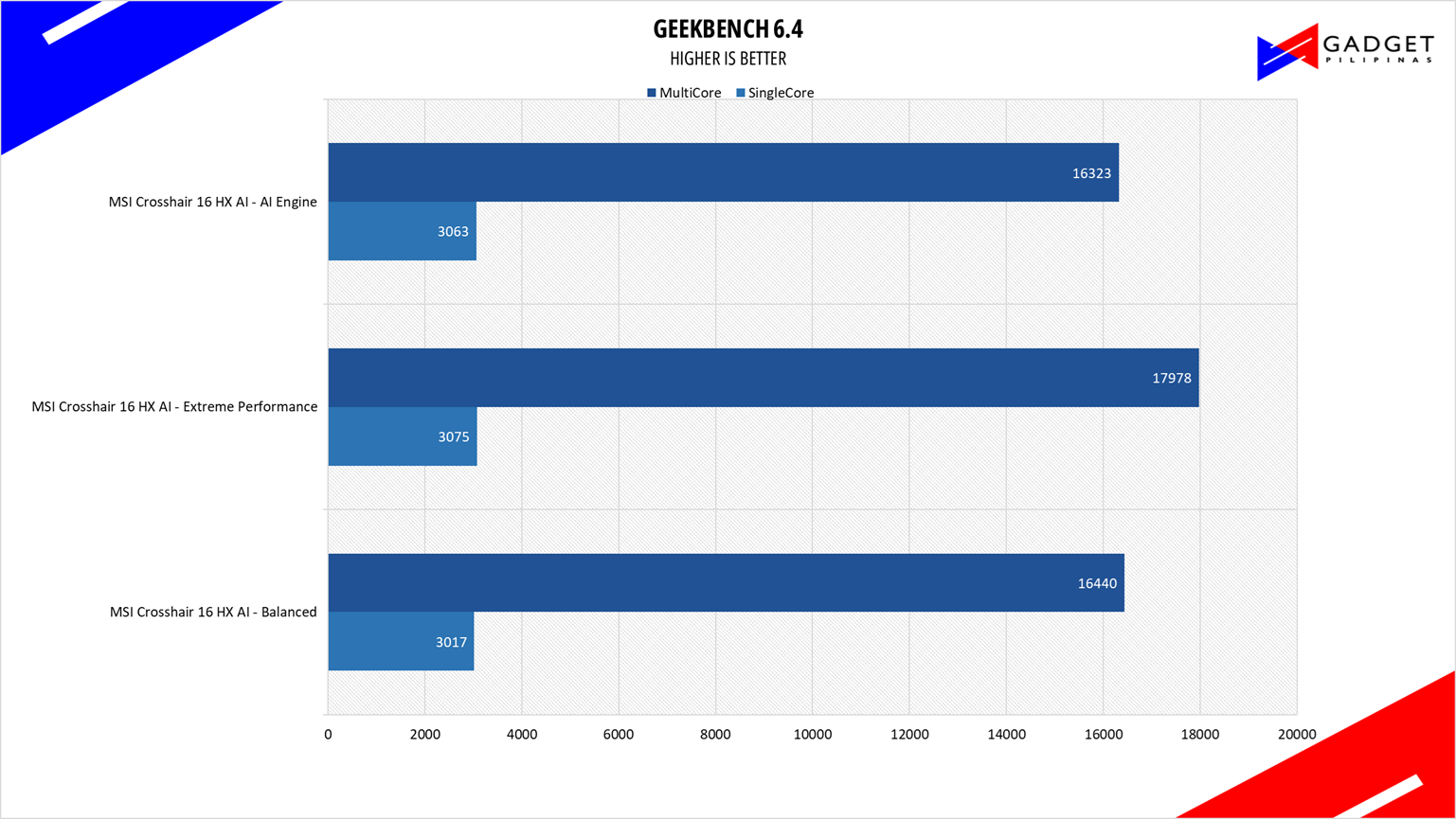
Geekbench is a multi-platform benchmark used to gauge CPU performance and compare them across Windows, Mac, and Mobile. Geekbench 6 is the latest version and doesn’t rely on memory more than the previous Geekbench 4, making it a great tool to measure both single-core and multi-core CPU performance.
Blender Open Data Benchmark
Blender is a widely used, free, open-source 3D creation suite. It supports the whole 3D pipeline process from modeling, rigging, animation, simulation, rendering, and even motion tracking. Blender has become a standard for CPU benchmarks with the BMW27 and Classroom Scene most used. This prompted the company to release Blender Open Data Benchmark in 2018, a benchmark-specific version allowing users to run a preset benchmark and share the results online like 3DMark.
3DMark Firestrike and TimeSpy
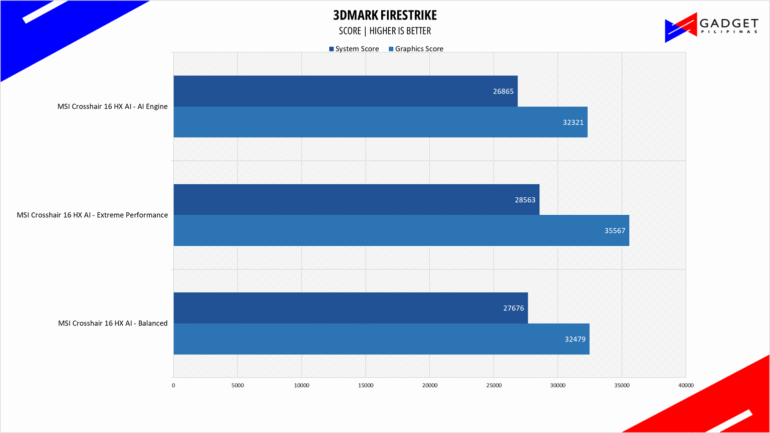
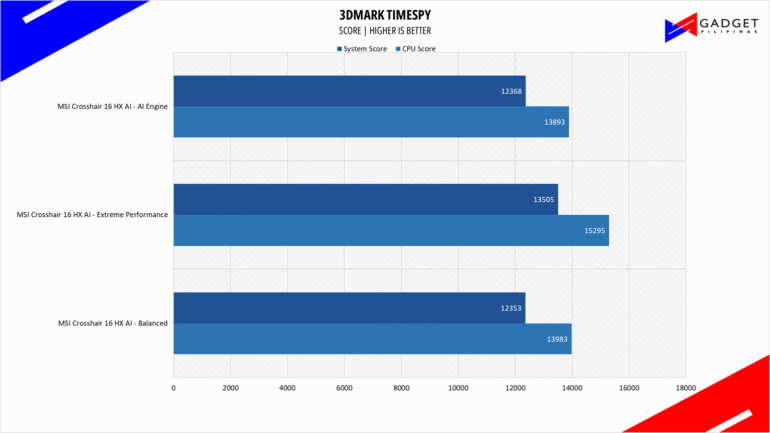
3DMark is the go-to benchmark for gamers because of the ability to share and compare results online. We test GPUs both in DX11 Firestike and DX12 Timespy to get a gauge of the performance.
CORONA RENDERER
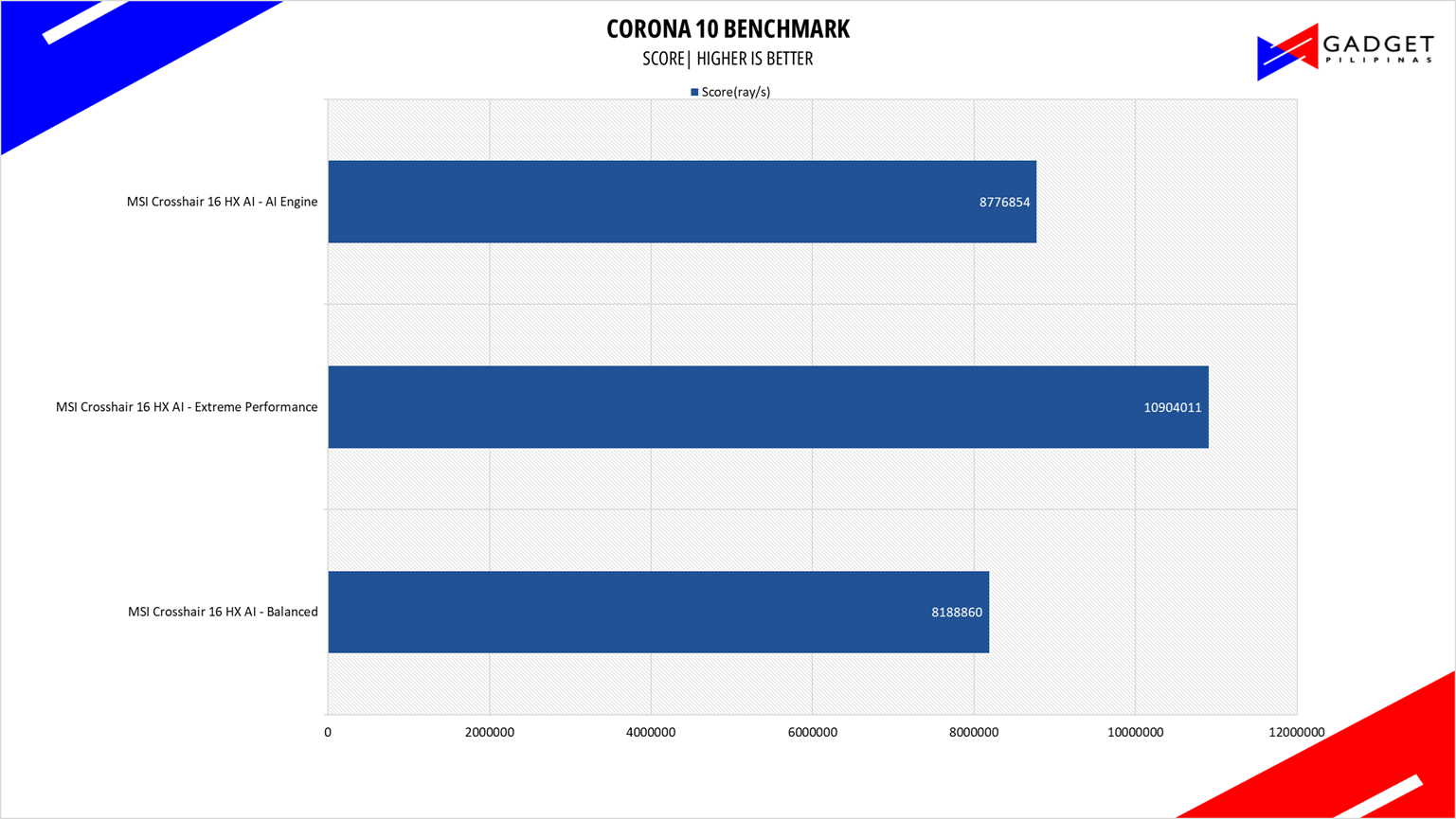
Corona Renderer is an unbiased photorealistic render available for Autodesk 3Ds Max, Maxon Cinema 4D, and as a stand-alone application. Its popularity, similar to Blender, led Chaos Group to develop a benchmark version of the app which runs using Corona Renderer 1.3. Workstation systems, especially CPUs, can utilize Corona Benchmark as up to 72 threads can be used in the benchmark, making it very suitable for CPUs with various price segments.
BapCo CROSSMARK
Crossmark is one of the few native cross-platform benchmark tools available for Windows, Android, Linux ChromeOS, iOS, and macOS. It measures overall system performance and system responsiveness using models of real-world applications making it a great comparison point across multiple platforms.
OCTANE 2.0
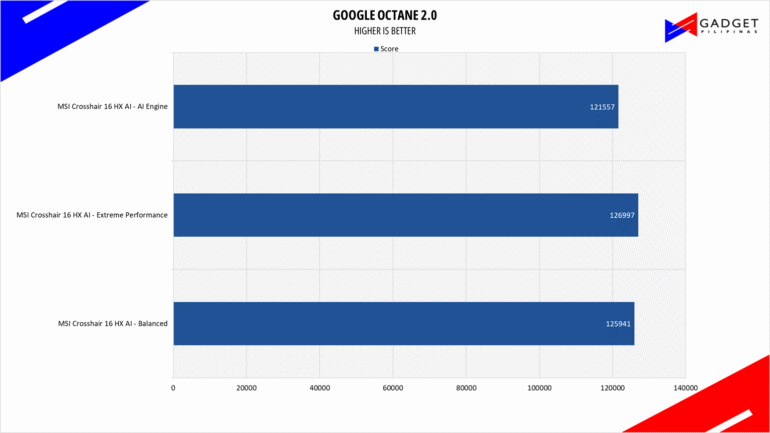
Octane 2.0 is a benchmark that measures a Javascript engine’s performance by running multiple tests representing different use cases of JavaScript applications. While Google Octane is retired and no longer maintained, it is still a good representation of today’s dynamic, interactive web applications. Our Octane 2.0 benchmark is run on Microsoft’s latest Chromium-based Edge browser.
MSI Crosshair 16 HX AI D2XWGKG SSD Benchmark
MSI Crosshair 16 HX AI D2XWGKG Gaming Benchmarks
RETURNAL
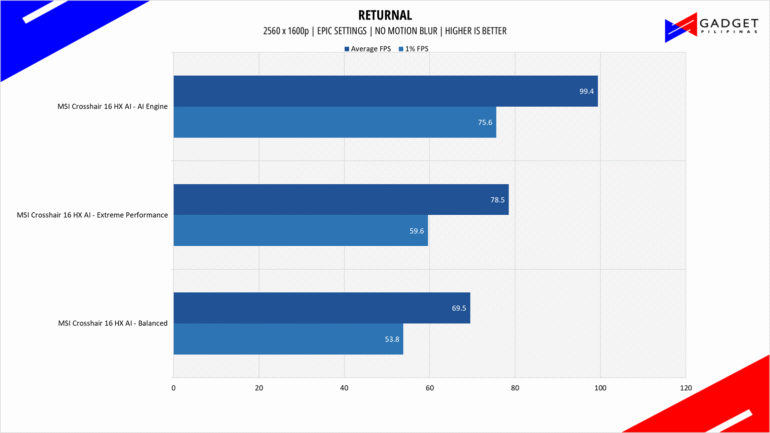
Returnal is one of the most technologically advanced game since the launch of Cyberpunk 2077. Released last April 2021 on PS5 and February 2023 on PC, it uses Unreal Engine 4 and supports multiple technologies such as Ray Tracing, DLSS, VSR, and FSR.
COUNTERSTRIKE 2
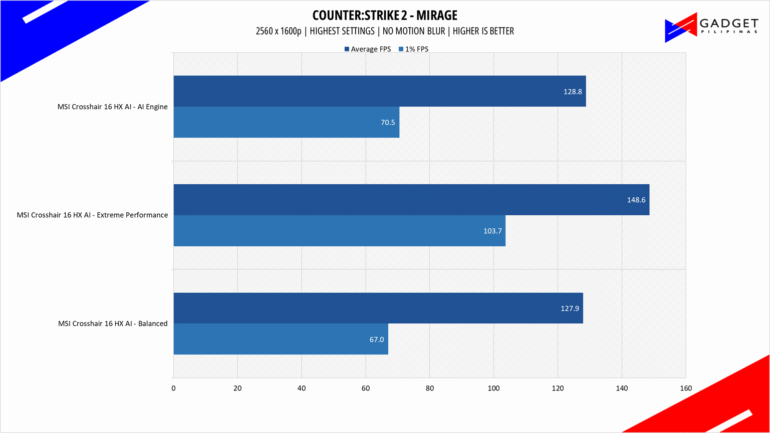
CounterStrike 2 or CS2 is the successor to the now-retired CSGO and now uses the Source 2 Engine – the same engine used on DOTA 2. CS2 is a great FPS game to test out CPU performance. Our benchmark process uses the replay function of the game.
DOTA 2
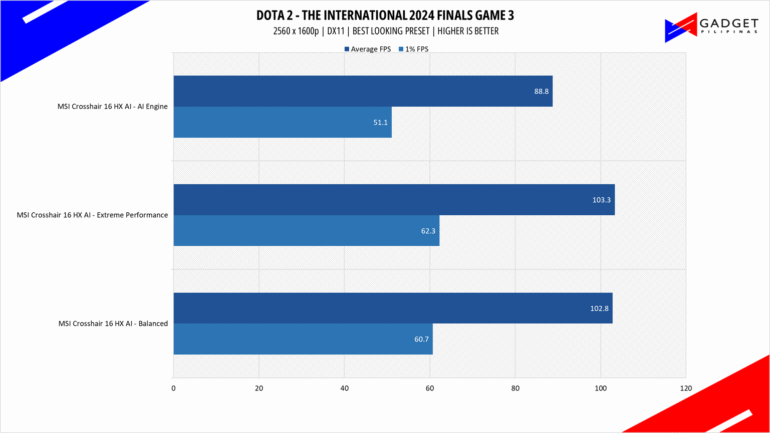
Dota 2 is a good repesentation among F2P titles especially MOBAs and RTS as it lands on the demanding side of the spectrum. Its gameplay and quality of life updates are far more frequent than most F2P titles thanks to its vast popularity. Our benchmark sequence is based on a replay of OG vs. Gaimin Gladiators in the ESL ONE Berlin Major Finals Game 4 from the team fight that happened from 23:00 to 24:00.
F1 23
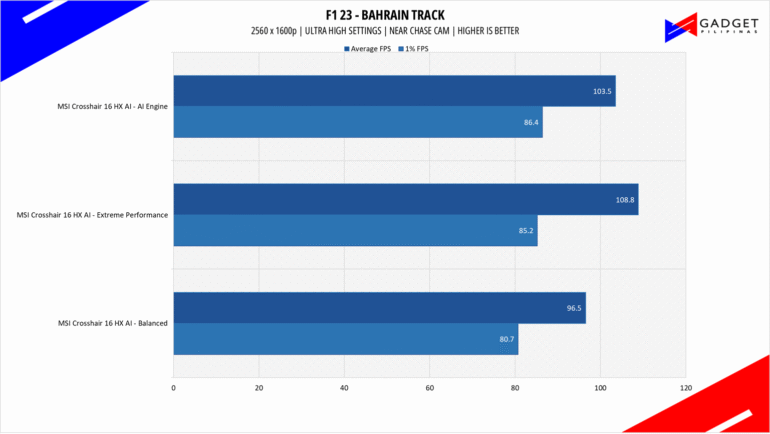
F1 23 is the official video game of the 2023 Formula One and Formula 2 championships developed by Codemasters. F1 2023 is the sixteenth installment in the franchise and uses the Ego Engine 4.0. F1 233 is a good representation of racing games thanks to its realistic graphics and fairly demanding spec requirements as well as support for Ray Tracing and the latest upscaling technologies such as DLSS, XeSS, and FSR.
Cyberpunk 2077
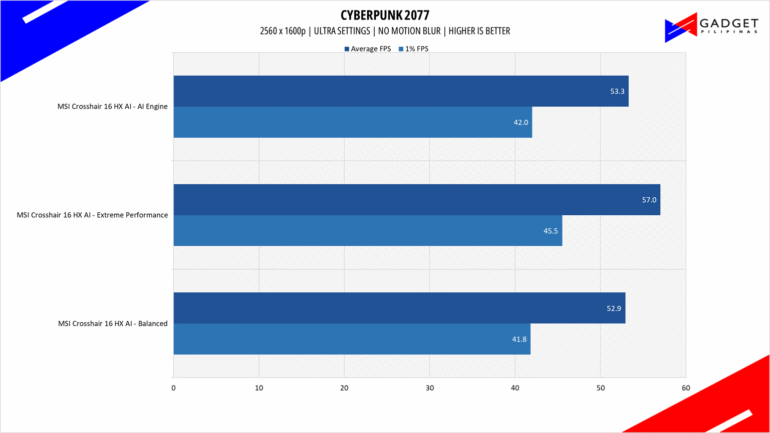
Cyberpunk 2077 is arguably the most hyped game of 2020. Developed by CD Projekt Red, the dystopian open-world, action-adventure RPG sports is one of the most demanding titles to date. Cyberpunk 2077 also supports three Ray Tracing settings as well as DLSS which makes the game a great tool to measure Ray tracing performance for both AMD and Nvidia graphics cards.
ASSASSIN’S CREED: MIRAGE
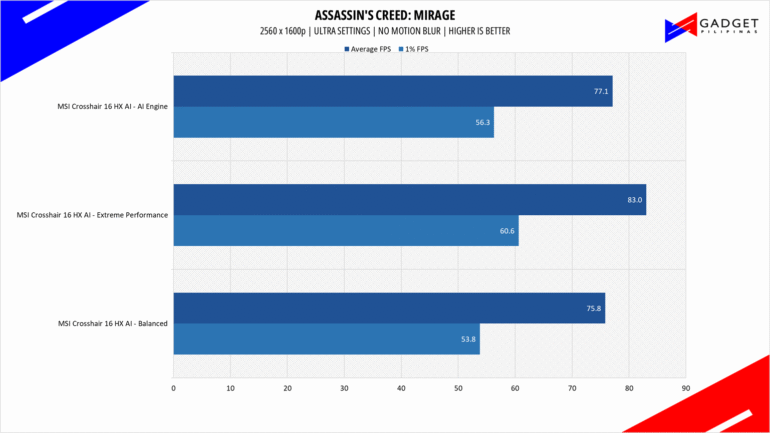
Assassin’s Creed Mirage is the latest Assassin’s Creed game from Ubisoft, making it the thirteenth major installment in the franchise. It uses the AnvilNext 2.0 game engine and is the very first AC game to support the latest upscaling technology, such as XeSS, FSR, and DLSS.
MSI Crosshair 16 HX AI D2XWGKG Temperatures
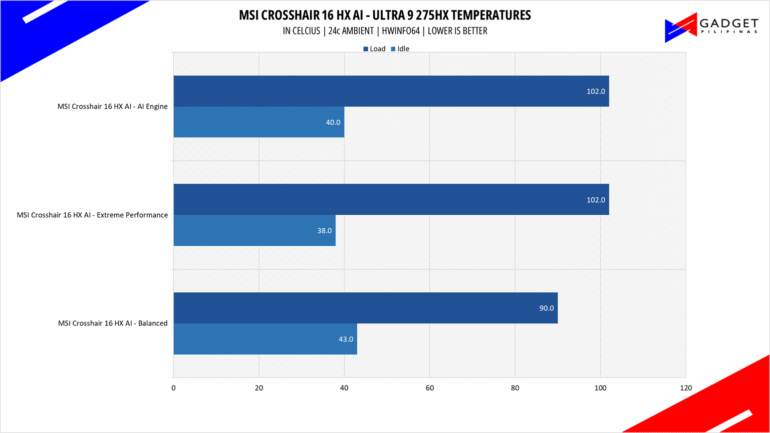
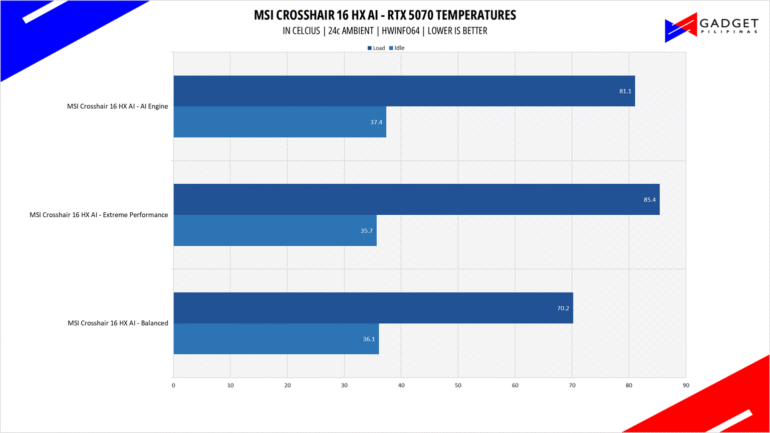
Both Extreme Performance and AI Engine profiles maximized the Intel Core Ultra 9 275HX with a peak recorded temp of 102°C. At the same time, the RTX 5070 Laptop GPU peaked at 85°C on the Extreme Performance profile, albeit it only peaked at 81.1°C. The GPU temp difference shows in our testing, where the Extreme Performance profile performs higher than the AI Engine profile, which mostly prioritized the CPU across all of our benchmarks.
Conclusion
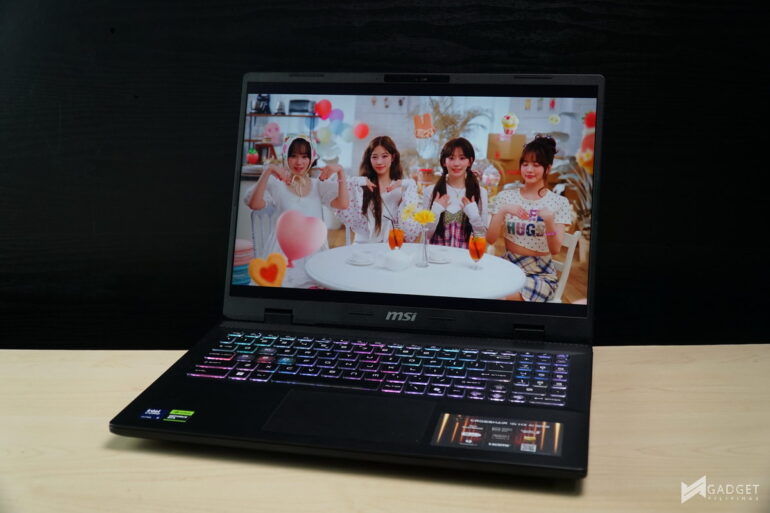
With its price of Php 134,995, the Crosshair 16 HX AI boasts the same price as the previous model but now with an RTX 5070 instead of an RTX 4070 variant. It’s considerably competitive at that price, considering the specs that you’re getting, as most of the budget is directed towards the core specs, namely the CPU, GPU, and Display, making it a great all-rounder laptop for gamers, professionals, or both.
That said, the Php 134,995 price tag is certainly not for everyone. While you’re getting the most specs of its price range, that’s only about what you get with the MSI Crosshair 16 HX AI. You’re mainly paying for the specs, not for the portability or thinness that other laptops offer. The inclusion of an additional M.2 slot with Gen5 support and up to 96GB DDR5-6400 memory support makes the Crosshair 16 HX AI future-ready so that you get to squeeze more out of your investment.
So, the MSI Crosshair 16 HX AI is for those who value specs above anything else. You get a reasonable desktop-replacement slash alternative without paying much premium in terms of portability or other gimmicky features. It’s also one of the few laptops that offer a decent upgrade path to get more value out of your device, extending the typical 3-5 year lifespan of a laptop before you notice any slowdowns.
Source: Gadget Pilipinas



0 Comments